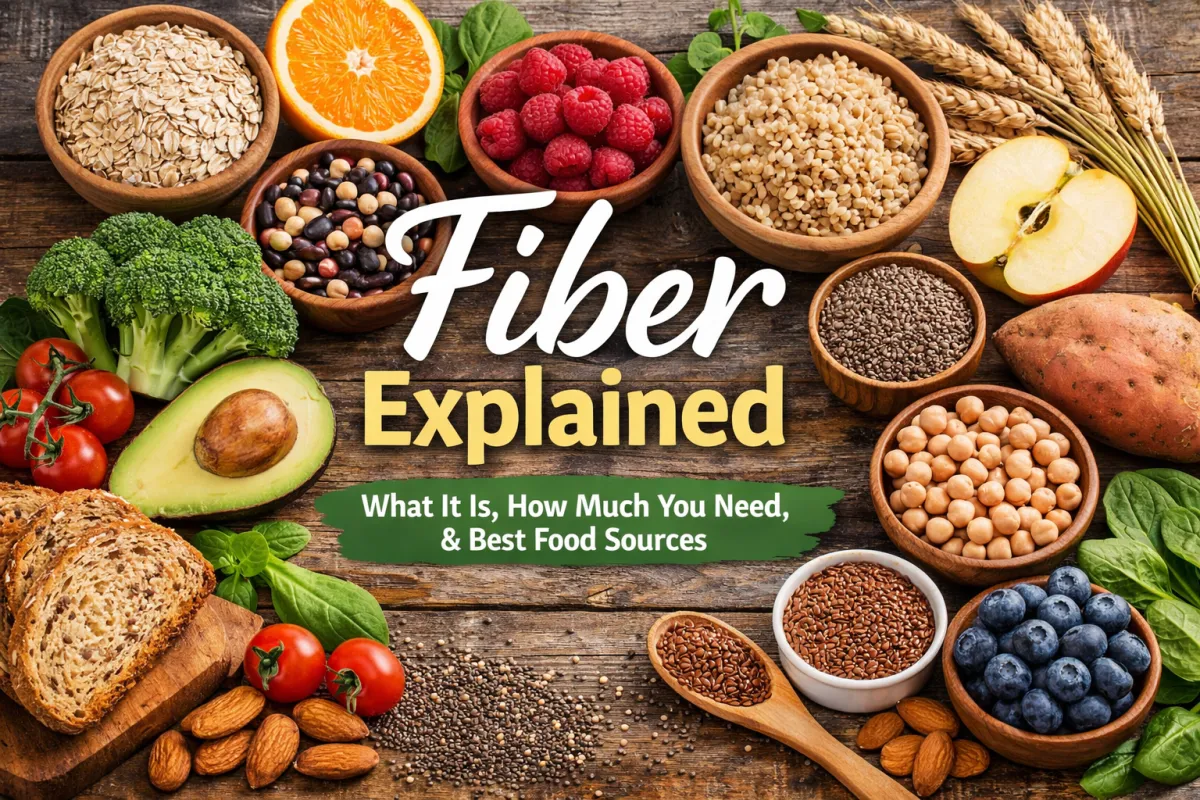
Fiber 101
““Let food be thy medicine and medicine be thy food.”
— Hippocrates
Fiber Explained: What It Is, How Much You Need, and the Best Food Sources
Fiber is one of the most important nutrients for digestive and overall health—yet it’s one of the most commonly overlooked. While many people focus on protein, calories, or supplements, fiber quietly supports gut health, blood sugar balance, heart health, and weight management. In fact, most adults consume far less fiber than recommended each day. Understanding what fiber is, how much you need, and where to find it can make a simple but powerful difference in your long-term health.

Fiber: What It Is, How Much You Need, and Where to Get It
Fiber is one of the most talked-about—and most under-consumed—nutrients in modern diets. We hear that it’s “good for digestion,” but fiber does far more than keep things moving. It plays a critical role in gut health, blood sugar control, heart health, weight management, and even inflammation.
Yet most people don’t get enough.
Let’s break down what fiber is, how much you actually need, and the best ways to get it naturally through food.
What Is Fiber?
Fiber is a type of carbohydrate found in plant foods that your body cannot fully digest or absorb. Unlike sugars and starches, fiber passes through the digestive system relatively intact—providing powerful benefits along the way.
There are two main types of fiber, and both are important:
1. Soluble Fiber
Soluble fiber dissolves in water and forms a gel-like substance in the gut. This type of fiber helps:
Slow digestion
Stabilize blood sugar levels
Lower LDL (“bad”) cholesterol
Support healthy gut bacteria
Common sources: oats, beans, lentils, apples, citrus fruits, carrots, flaxseed, chia seeds
2. Insoluble Fiber
Insoluble fiber does not dissolve in water. It adds bulk to stool and helps food move efficiently through the digestive tract. This type of fiber helps:
Prevent constipation
Support regular bowel movements
Maintain colon health
Common sources: whole grains, nuts, seeds, leafy greens, broccoli, cauliflower, brown rice
Most whole plant foods contain a mix of both types.
Why Fiber Matters More Than You Think
Fiber’s benefits extend far beyond digestion:
Gut Health: Fiber feeds beneficial gut bacteria, which produce short-chain fatty acids that reduce inflammation and support immune health.
Blood Sugar Control: Fiber slows glucose absorption, helping prevent blood sugar spikes and crashes.
Heart Health: High-fiber diets are linked to lower cholesterol and reduced risk of heart disease.
Weight Management: Fiber increases fullness, helping you feel satisfied longer with fewer calories.
Hormonal & Metabolic Support: A healthy gut influences insulin sensitivity, appetite hormones, and even mood.
Low fiber intake has been associated with obesity, type 2 diabetes, cardiovascular disease, and digestive disorders.
How Much Fiber Do You Need?
Most people fall far short of the recommended intake.
General daily guidelines:
Women: ~25 grams per day
Men: ~38 grams per day
Adults over 50: slightly lower needs (21–30 grams)
The average adult consumes less than 15 grams per day, which means many people are getting less than half of what they need.
A good rule of thumb: aim for fiber at every meal, not just one “high-fiber” food per day.
Best Food Sources of Fiber
Fiber comes exclusively from plant foods. The more whole and minimally processed the food, the more fiber it contains.
Legumes (Some of the Highest Fiber Foods)
Lentils (15–16g per cup)
Black beans, kidney beans, chickpeas
Split peas
Whole Grains
Oats and oat bran
Quinoa
Brown rice
Barley
Whole wheat (look for “100% whole grain”)
Fruits (Especially With the Skin)
Raspberries (8g per cup)
Pears
Apples
Berries
Oranges
Vegetables
Broccoli
Brussels sprouts
Artichokes
Sweet potatoes (with skin)
Leafy greens
Nuts & Seeds
Chia seeds (10g per 2 Tbsp)
Flaxseed
Almonds
Sunflower seeds
Fiber Supplements: Helpful or Not?
Fiber supplements (like psyllium husk or inulin) can be useful in specific cases, but they should not replace whole foods.
Whole foods provide:
A mix of fiber types
Vitamins and minerals
Antioxidants and phytonutrients
If you use supplements, introduce them slowly and drink plenty of water to avoid bloating or discomfort.
How to Increase Fiber Without Digestive Issues
Jumping from low fiber to high fiber too quickly can cause gas and bloating. Increase gradually and support your body with hydration.
Simple strategies:
Add one high-fiber food per meal
Swap refined grains for whole grains
Include beans or lentils a few times per week
Eat fruits with the skin on
Drink more water as fiber intake increases
The Bottom Line
Fiber is foundational to long-term health, yet it’s often overlooked. It supports digestion, heart health, metabolism, blood sugar balance, and gut health—all through simple, whole foods.
If you focus on eating more plants, more variety, and more whole foods, fiber intake tends to take care of itself.
Start small, stay consistent, and your body will thank you.
Other resources to help you get started
Getting enough fiber doesn’t have to be complicated, but having the right support can make it easier to stay consistent. If you’re looking for a simple way to increase your daily fiber intake while supporting gut health, our Designs for Health Fiber Prebiotic Complete is a high-quality option designed to complement a whole-food diet. It’s an easy place to start if you want to build healthier habits and support digestion from the inside out.

